BBE AlgaeTorch
Bathing Water Applications
The most probable problem can be caused by nutrient inputs, in particular phosphates and nitrogen compounds, which may lead to eutrophication and facilitate a massive growth of algae (algal blooms).
Cyanobacteria ("blue-green algae") in particular produce toxins and allergens. They can cause acute health problems (for example conjunctivitis, eczema) or even have chronic detrimental health effects (liver damage). Another source of pollution of bathing waters is the surface run-off after heavy rainfall. Swimming after heavy rainfall should therefore for some days be postponed until the natural purification process has set in.
Not all blue-green algae blooms and scums are toxic, but you can’t tell just by looking at them, so it is best to assume they might be and check the information provided by local authorities.
These cyanotoxins can kill wild animals, farm livestock and domestic pets. In humans, they can cause rashes after skin contact and illnesses if swallowed.
To keep risks to a minimum and ensure control, officially registered bathing waters in the European Union have been subject to regular monitoring during the bathing season since the 1970s.

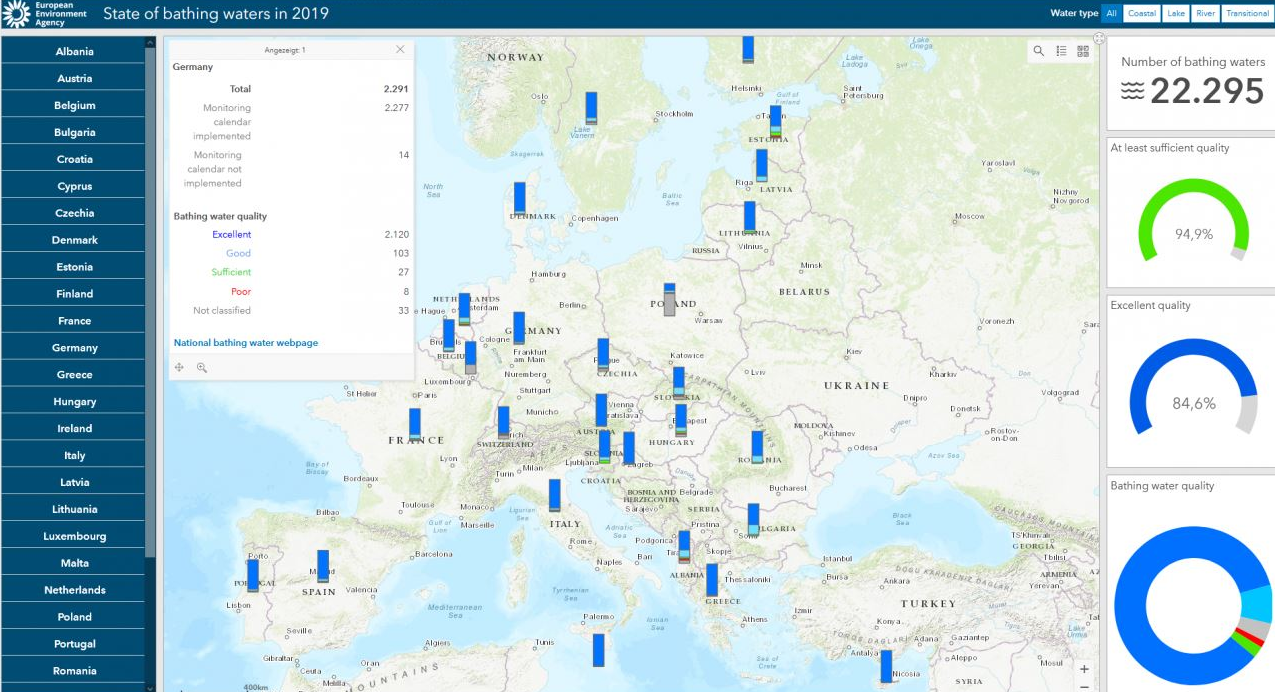
In 2006 the EU Bathing Water Directive of 1975 was updated and replaced by a Directive that is in line with the latest scientific research. The revised directive entered into force on 24 March 2006. Since then the federal states have implemented the EU Bathing Water Directive in national law and issued conforming countries regulations. In Germany there are many bathing waters registered and monitored in accordance with the EU Bathing Water Directive. In 2016, 1925 inland waters and 367 coastal waters were registered as bathing waters. The states are responsible for the enforcement of the legal provisions, i. e. for the designation and monitoring of EU bathing waters. They publish information on bathing water quality on the Internet.
In the other hand the water turbidity is not necessarily a sign of poor bathing water quality. By the same token, clear water can still be contaminated with bacteria.
Open bathing waters along inland water courses and lakes and along coastal waters can be polluted with pathogens too. Sanitary problems are mainly caused by discharges from sewage treatment plants and combined sewers and from urban and agricultural run-off. They can lead to fever, diarhoea and vomiting in those who come into contact with the contaminated water.
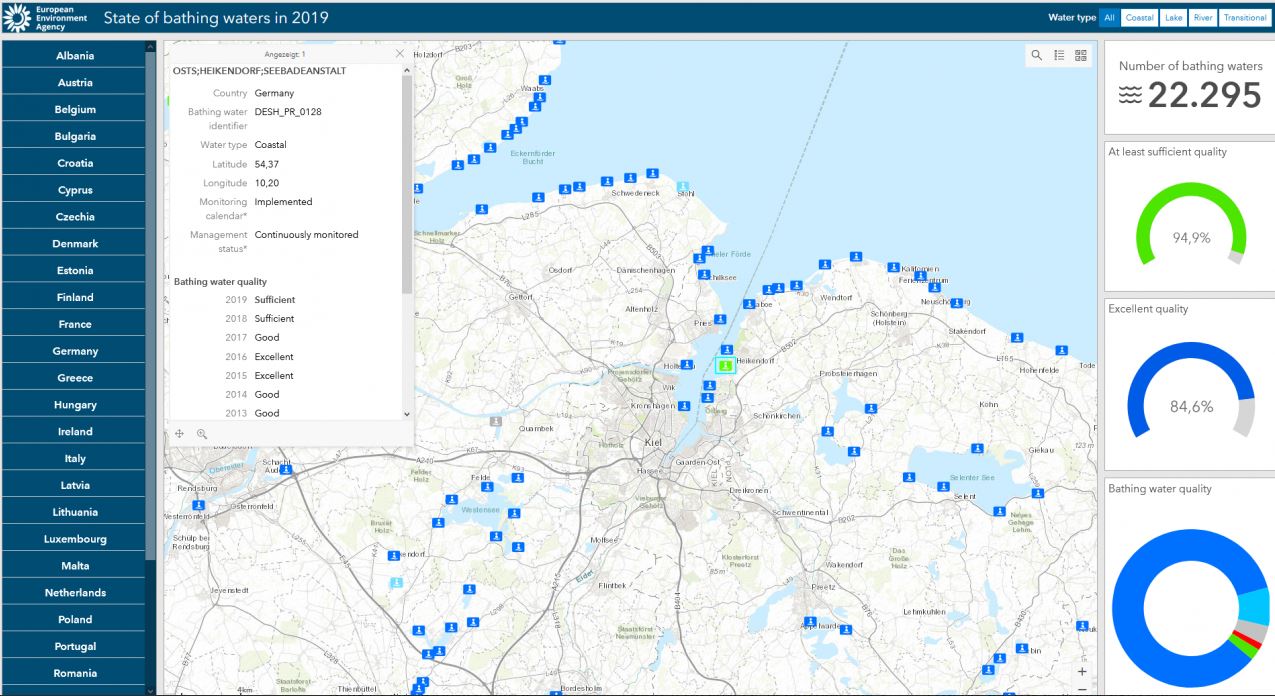
Regular Monitoring the Algae in the early stage is the only practical solution to protect human and pets against the bathing water common pollutions. Conventionally many authorities uses simple Sechi diskes for monitoring the water quality but this has been proved that is not enough and complementary tests is needed. The major problem which is a very good indicative of the bathing water quality is the cyanobacteria and micro algae concentration in the water. In case the concentration of the cyanobacteria increased in any bathing water the authorities can plan in the early stage to protect the people and pets to swim in that special waterbody. WHO regarding this has published a guideline which regulate the bathing water quality based on the total chlorophyll concentration in the water. Chlorophyll is like a proxy for detection and measuring of the phytoplankton or microalgae in the water.
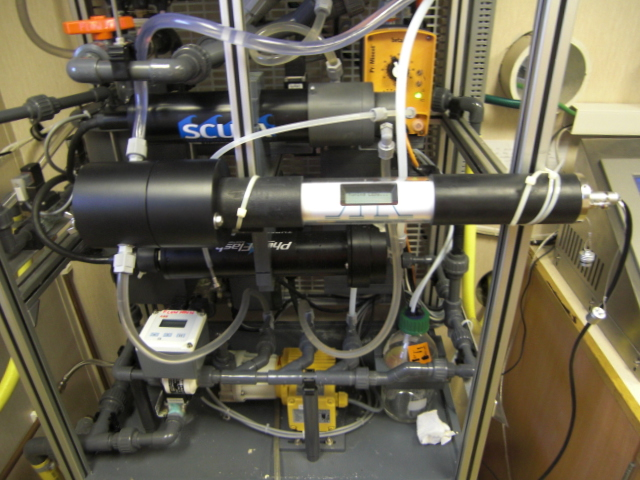
Besides the other conventional sampling methods which usually ends up with simple sechi disk and taking one or two sample and transferring the sample to the laboratories, great thanks to the in-situ and submersible spectrofluorometric methods which enables fine scale profiles vertically and horizontally too with no need to use any reagent or sample transferring to the lab. In the laboratory they might use different methods which all might bring different results. The fact is that the all analysis methods needs reagent and sample preparation and indeed a skilled person to run the analysis. This is a time consuming task and needs large investment too.
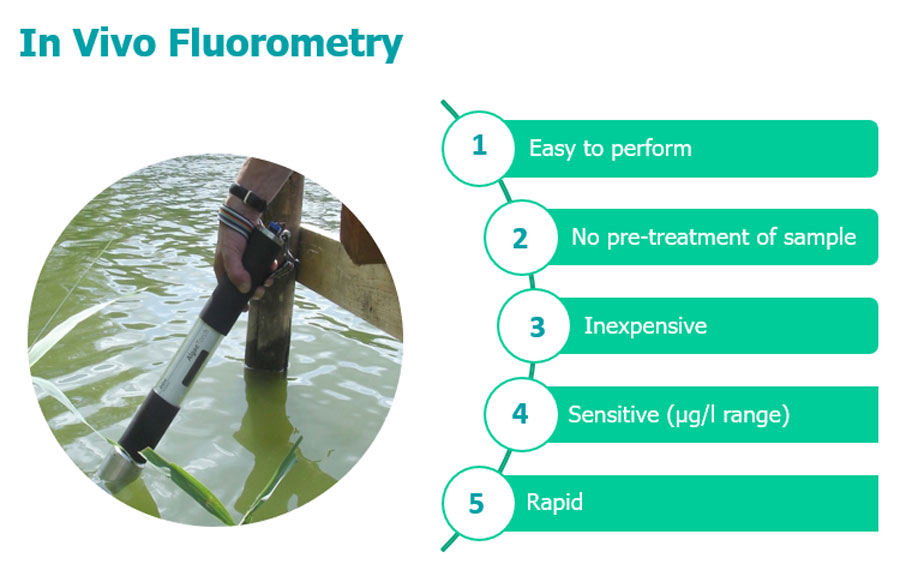
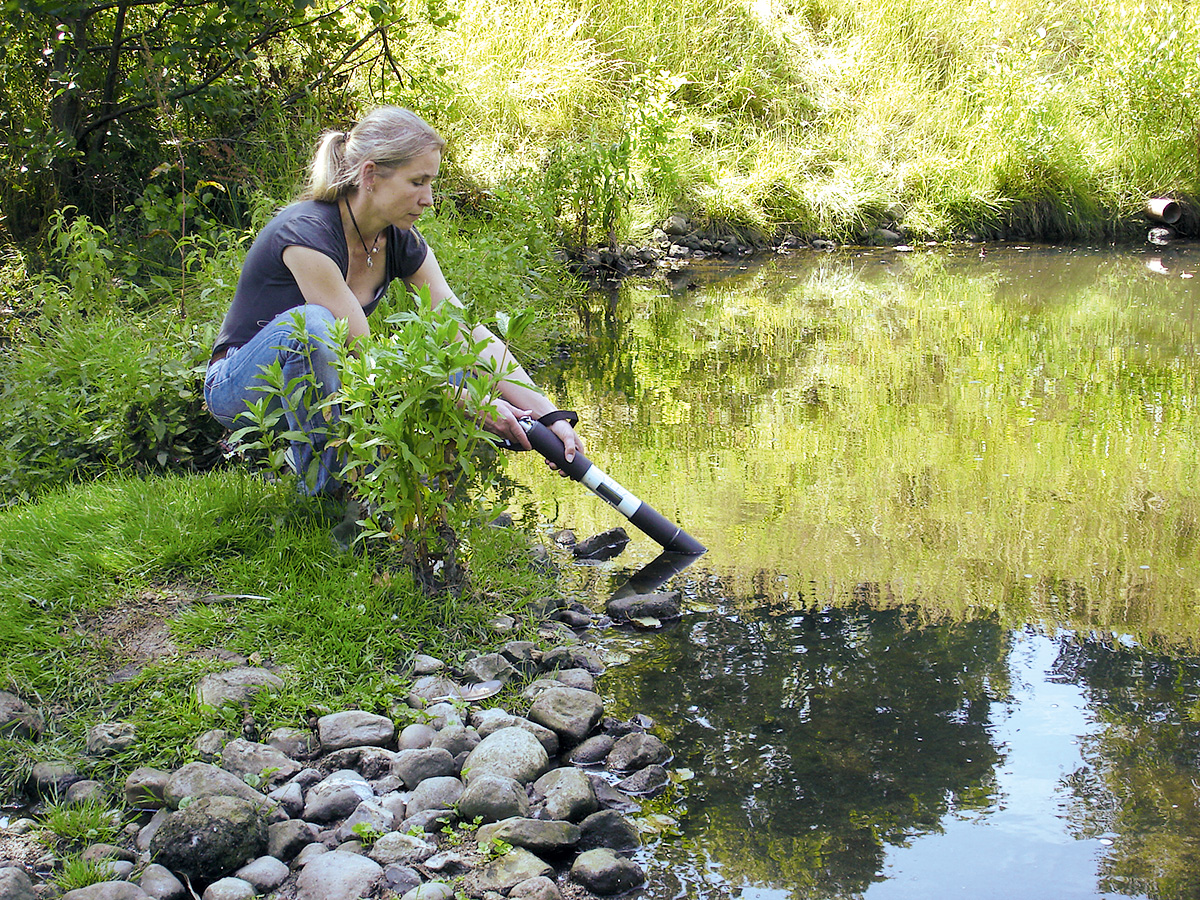
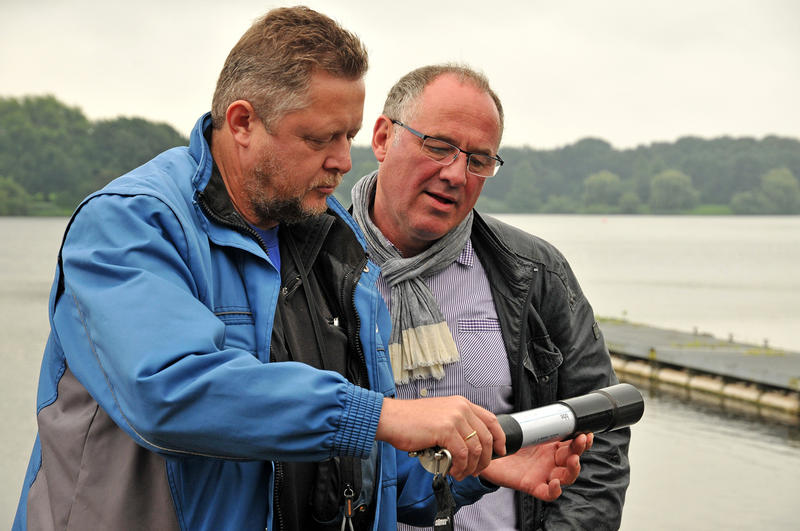
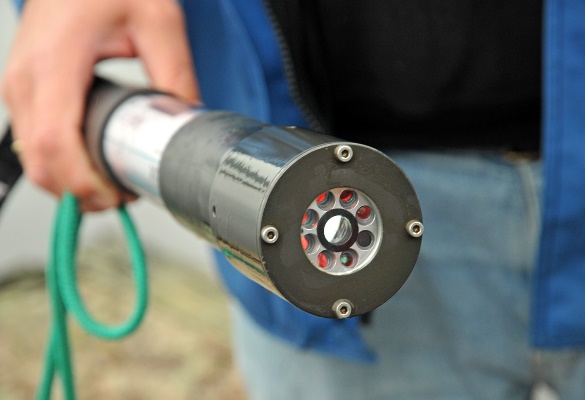
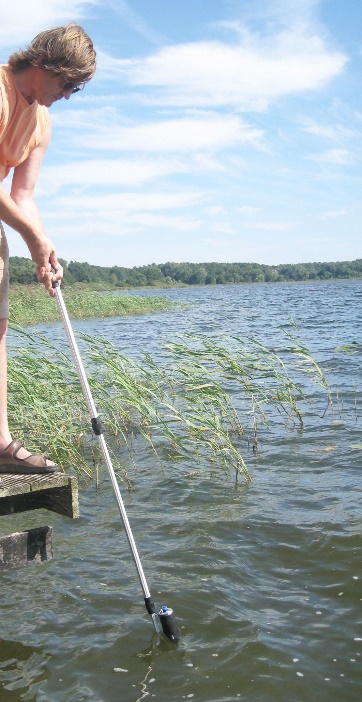
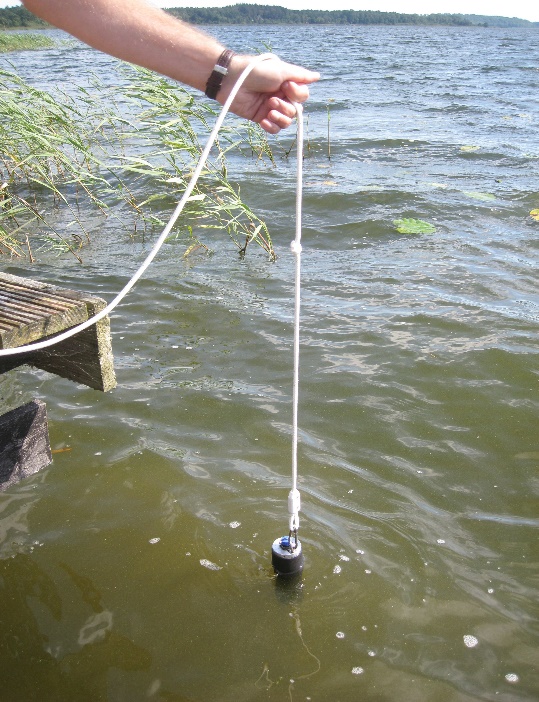
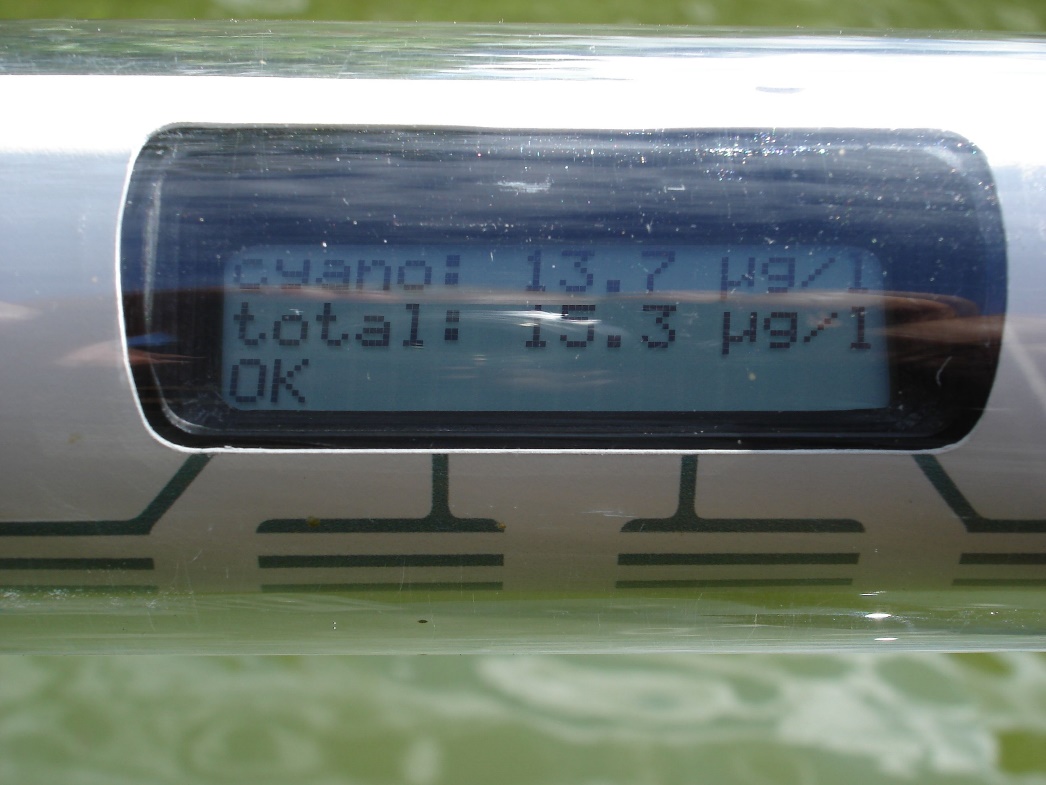
In addition is important to mention that however the satellite images recently are able to detect the extent of the algae and surface accumalation but indeed all satelite images requires the land base measurement correlation. In the other hand referring to the biological behavoir of different algae classess it might happen often to see no algae accumlation in the surface. Therefore the measurment in the different depth of the bathing water has higher importance. Besides it should be mentioned herer that the remote sensing specially statelite images are not possible to detect during the cloudy weather.
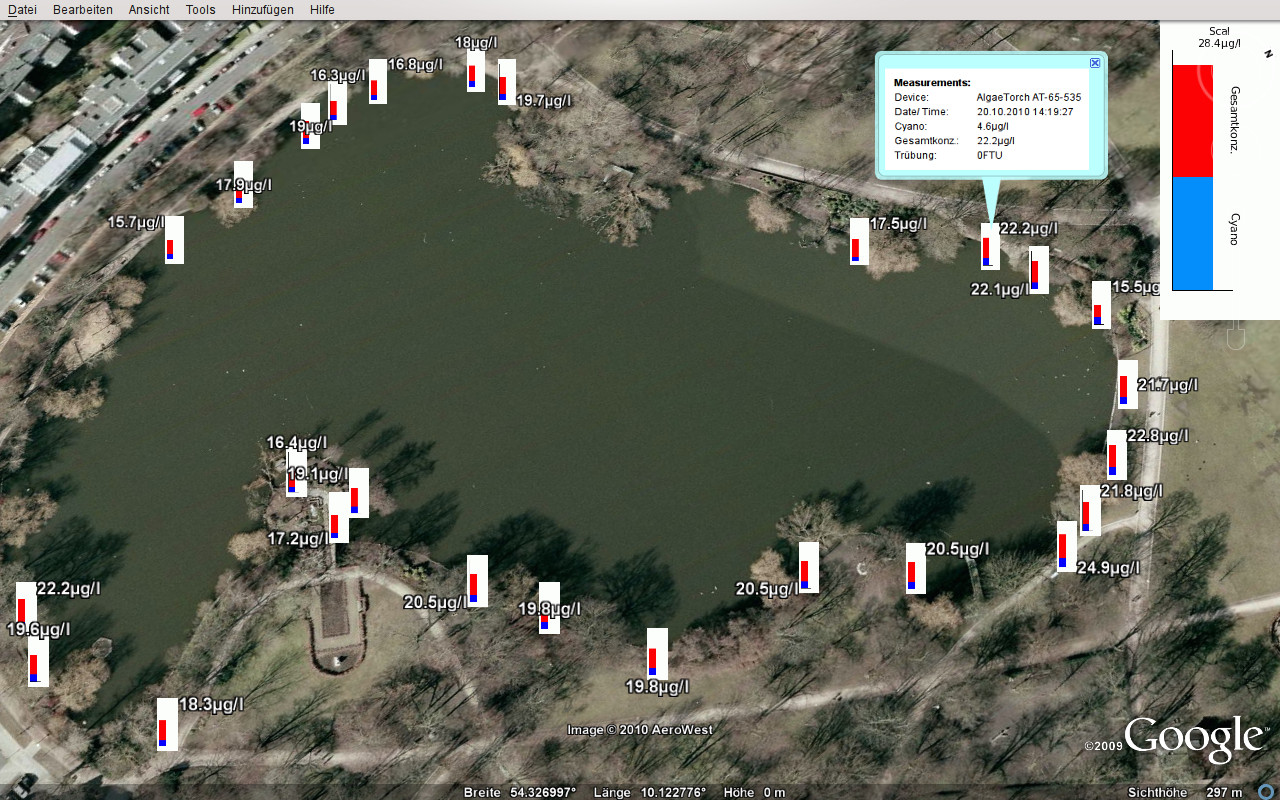
The AlgaeTorch has inbuilt GPS. This is a super feature which give possibiltyto insert the recorded data in the google earth and provide a very good visualized reports as below picture: